

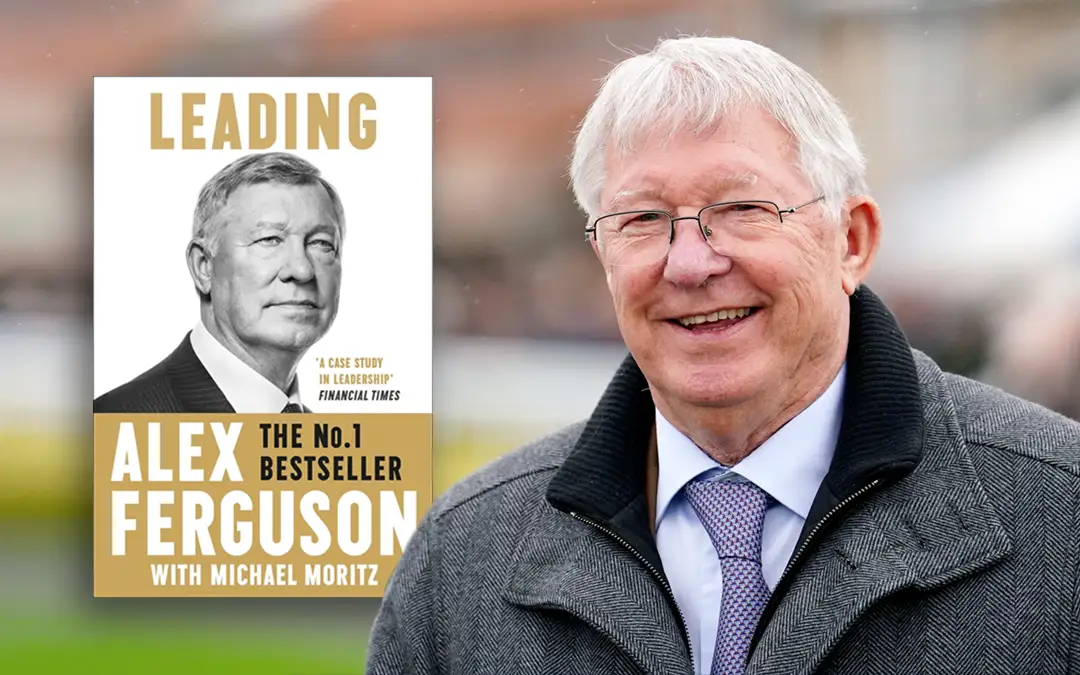
Sir Alex Ferguson’s Leading is more than just a memoir or a book on football; it is an insightful exploration into the essence of leadership, drawn from the experiences of one of the most successful football managers in history. Co-authored with Sir Michael Moritz, a seasoned venture capitalist, the book distills the principles that guided Ferguson during his 26-year tenure at Manchester United, offering lessons that transcend the realm of sports and apply to leadership in any field.
Key Themes and Insights from Leading
1. The Importance of Preparation
Ferguson emphasizes that preparation is the bedrock of success. He details how meticulous preparation for every match, player acquisition, and training session laid the foundation for Manchester United’s dominance. For Ferguson, preparation was not just about the immediate next game but about building a long-term vision. He ensured that both he and his players were always one step ahead of the competition by analyzing every possible scenario and opponent in exhaustive detail.
2. Building and Maintaining a Strong Team Culture
One of Ferguson’s key strengths was his ability to build and maintain a winning culture within the team. Leading sheds light on how he nurtured a culture of excellence, discipline, and mutual respect, while also fostering a fierce competitive spirit. Ferguson’s leadership style was underpinned by a deep understanding of human psychology, which allowed him to manage diverse personalities and keep everyone aligned with the team’s goals.
3. Adaptability and Innovation
Ferguson discusses the necessity of being adaptable and open to change, even when you are at the top. His ability to reinvent himself and his team over two decades was crucial to his sustained success. He highlights how he embraced new technologies, sports science, and tactical innovations, ensuring that Manchester United remained at the cutting edge of the game. This adaptability also extended to his management style, where he adjusted his approach as the game and players evolved.
4. Decision-Making and Risk Management
Ferguson’s career is replete with examples of bold decision-making. In Leading, he reveals the thought processes behind some of his most famous and controversial decisions, such as the sale of high-profile players like David Beckham and Roy Keane. Ferguson was unafraid to make tough decisions when he believed they were in the best interest of the team. He explains that the ability to make swift and sometimes ruthless decisions is a hallmark of effective leadership.
5. The Role of Observation
One of the more unique aspects of Ferguson’s leadership approach was his emphasis on observation. He dedicated a significant amount of time to simply observing players during training, understanding their strengths, weaknesses, and character. This observational approach extended to his understanding of the broader football landscape, as he kept a close watch on emerging trends, players, and potential threats to his team’s dominance.
6. The Power of Resilience
Ferguson’s journey was not without challenges and setbacks. Leading chronicles his resilience in the face of adversity, from early career failures to the difficult periods during his time at Manchester United. His ability to bounce back from setbacks, learn from failures, and keep pushing forward is a recurring theme in the book, offering valuable lessons for leaders in any field.
7. Leadership by Example
Ferguson’s leadership was always rooted in leading by example. His work ethic, commitment, and passion for the game set the standard for everyone around him. He believes that a leader’s behavior is contagious, and by embodying the values he preached, he was able to inspire his players to give their best both on and off the pitch.
Brief Overview of the Author: Sir Alex Ferguson
Sir Alex Ferguson is widely regarded as one of the greatest football managers of all time. Born in Glasgow, Scotland, in 1941, Ferguson began his managerial career at East Stirlingshire and St Mirren before making his mark at Aberdeen, where he broke the dominance of the Old Firm (Celtic and Rangers) by winning several domestic and European honors. However, it was at Manchester United, where he served as manager from 1986 to 2013, that he truly cemented his legacy. Under Ferguson’s leadership, Manchester United won 13 Premier League titles, 5 FA Cups, 2 UEFA Champions League titles, and numerous other trophies, making him the most successful manager in the history of British football.
Ferguson’s leadership extended beyond the football pitch, influencing the culture of Manchester United and inspiring countless leaders across various industries. His insights into management, motivation, and strategic thinking have made him a sought-after speaker and consultant even after his retirement. Leading is a culmination of the wisdom he gathered throughout his remarkable career, offering timeless lessons for anyone looking to understand what it takes to lead effectively.
Conclusion
Leading by Sir Alex Ferguson is an invaluable resource for anyone interested in leadership, whether in sports, business, or life in general. The book not only provides a deep dive into the mind of a football genius but also offers practical lessons on leadership that are applicable across various domains. Ferguson’s emphasis on preparation, culture, adaptability, decision-making, and resilience makes Leading a must-read for aspiring leaders and managers seeking to make their mark in their respective fields.