

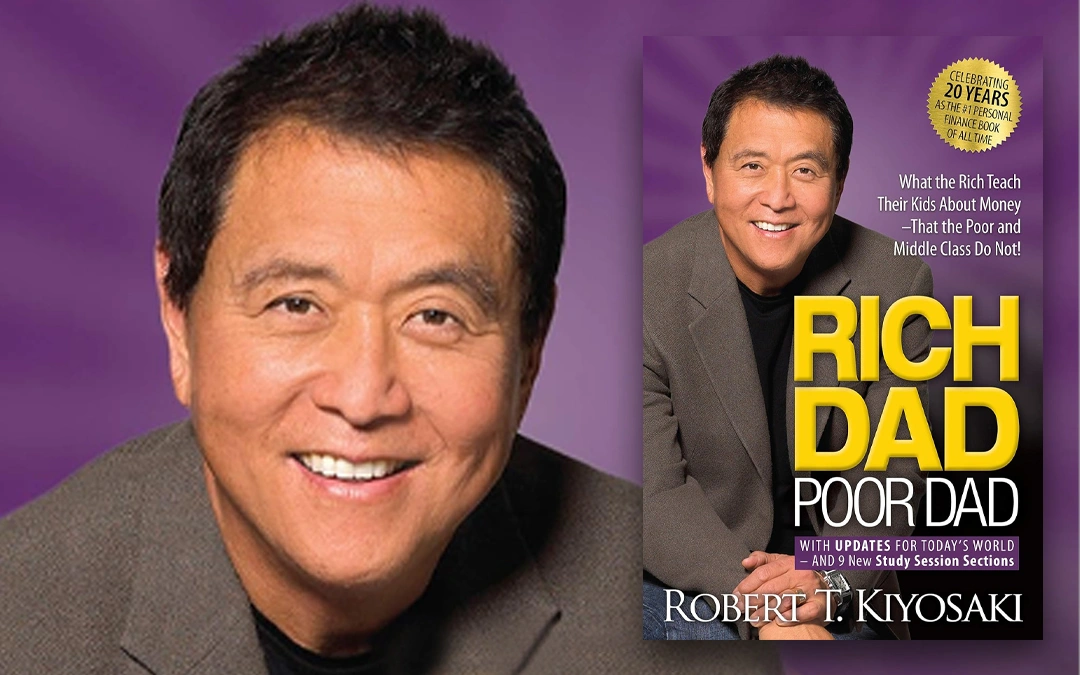
“Rich Dad Poor Dad” by Robert T. Kiyosaki is a highly influential book on personal finance and investing. First published in 1997, the book contrasts the financial philosophies of Kiyosaki’s “rich dad” and “poor dad” to provide readers with practical insights on wealth-building and financial independence. Through anecdotes and lessons from his two father figures, Kiyosaki emphasizes the importance of financial education, entrepreneurship, and strategic investing.
Key Points from “Rich Dad Poor Dad”:
- The Importance of Financial Education:
Kiyosaki stresses that financial education is crucial for achieving financial success. Unlike traditional education, which focuses on academic and professional skills, financial education involves understanding how money works, investing, and managing personal finances effectively. - Assets vs. Liabilities:
One of the book’s central themes is the distinction between assets and liabilities. Kiyosaki defines assets as things that put money into your pocket (like investments, rental properties, or businesses), while liabilities take money out (such as mortgages, car loans, and credit card debt). Building wealth involves accumulating assets and minimizing liabilities. - The Rat Race and Financial Independence:
The book criticizes the traditional “rat race” approach to work—working hard for a paycheck without focusing on building wealth. Kiyosaki argues that true financial independence comes from creating multiple streams of income and making money work for you, rather than working for money. - The Role of Entrepreneurship:
Kiyosaki advocates for entrepreneurship as a path to financial freedom. He believes that starting and owning businesses, investing in real estate, and other entrepreneurial activities provide opportunities for wealth accumulation and financial security. - The Power of Passive Income:
The book highlights the significance of passive income, which is money earned with minimal ongoing effort. Examples include rental income from real estate, dividends from stocks, and royalties from intellectual property. Kiyosaki emphasizes that building streams of passive income is key to achieving financial freedom. - Investing in Real Estate:
Real estate investment is a major focus of Kiyosaki’s financial strategy. He discusses how real estate can generate rental income, provide tax advantages, and appreciate in value over time. The book provides insights into property investment, including finding deals and managing rental properties. - Overcoming Fear and Taking Risks:
Kiyosaki encourages readers to overcome fear and take calculated risks when it comes to investing and entrepreneurship. He emphasizes that fear and doubt can prevent individuals from pursuing opportunities and achieving their financial goals. - The Influence of Mindset:
The book underscores the importance of mindset in financial success. Kiyosaki believes that adopting a positive attitude towards money, embracing financial education, and being proactive are essential for building wealth. - Learning from Failure:
Kiyosaki also talks about learning from failure and mistakes. He suggests that setbacks and failures are valuable learning experiences that can help individuals refine their strategies and improve their financial acumen. - The Role of Mentors:
The book highlights the value of having mentors and role models. Kiyosaki credits his “rich dad” with providing guidance and insights that shaped his financial philosophy and success. He encourages readers to seek out mentors who can offer advice and support in their financial journey.
About the Author:
Robert T. Kiyosaki is an American entrepreneur, businessman, and author known for his work in personal finance and investing. Born in 1947 in Hilo, Hawaii, Kiyosaki is the founder of Rich Global LLC and the Rich Dad Company, which focuses on financial education and personal development. Kiyosaki’s “Rich Dad Poor Dad” series has sold millions of copies worldwide and has been translated into dozens of languages. His approach combines practical financial advice with motivational principles, aiming to empower individuals to achieve financial independence and success. Kiyosaki’s emphasis on financial education and entrepreneurship has made him a prominent figure in the field of personal finance.