

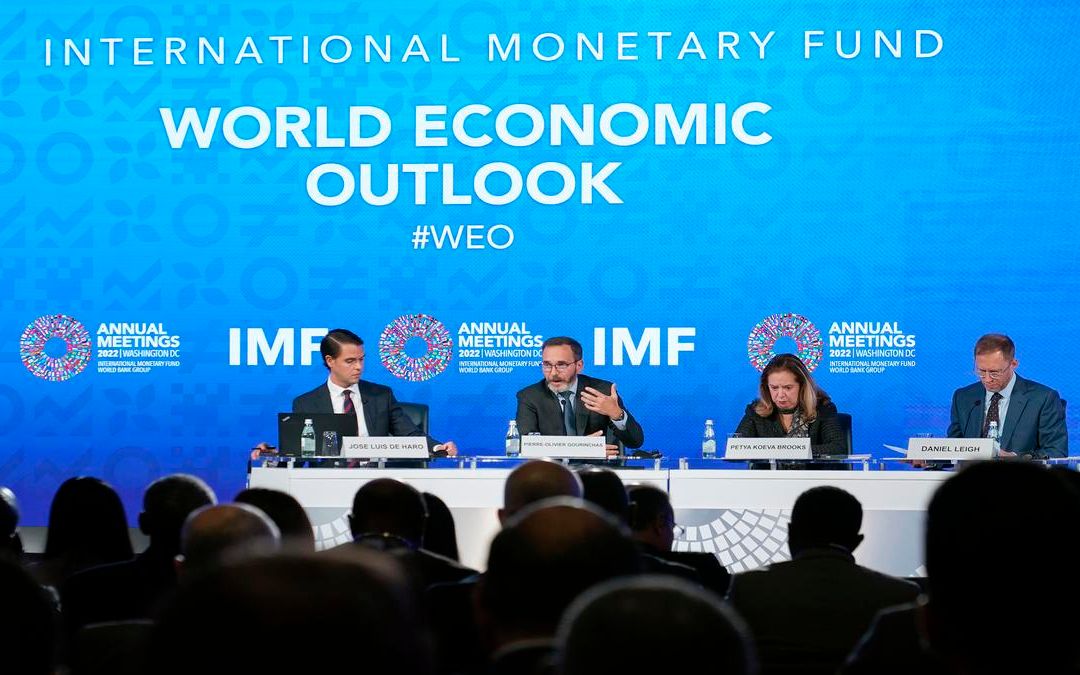
The International Monetary Fund (IMF) has recently revised its forecast for India’s economic growth, projecting a brighter outlook for the country despite a globally sluggish economic environment. This positive revision reflects India’s resilience and robust economic policies, even as other major economies face stagnation.
India’s Economic Resilience
The IMF’s optimistic outlook for India is underpinned by several key factors. Strong domestic demand, fueled by rising consumer confidence and spending, continues to be a significant driver of growth. Additionally, India’s manufacturing sector is experiencing a revival, bolstered by initiatives like ‘Make in India’ and Production Linked Incentive (PLI) schemes, which are attracting substantial investments and boosting production capacity.
The agricultural sector also plays a crucial role in this growth narrative. Favorable monsoon conditions, combined with supportive government policies, have enhanced agricultural productivity and rural incomes. This, in turn, is expected to spur further domestic consumption and economic activity.
Government Initiatives and Reforms
The Indian government’s commitment to infrastructure development, digitalization, and structural reforms is another cornerstone of the country’s economic resilience. Massive investments in infrastructure projects, such as roads, railways, and urban development, are expected to generate significant employment opportunities and improve overall economic efficiency.
Reforms aimed at enhancing the ease of doing business, simplifying tax structures, and promoting foreign direct investment (FDI) have also contributed to a more conducive business environment. These efforts are crucial in sustaining long-term economic growth and attracting global investors.
Global Economic Slowdown
In contrast to India’s positive outlook, the IMF has indicated that global economic growth will remain lackluster. Factors such as geopolitical tensions, supply chain disruptions, and inflationary pressures continue to weigh on the global economy. Major economies, including the United States, China, and the Eurozone, are grappling with slower growth rates and economic uncertainties.
The global slowdown poses challenges for export-dependent countries and industries, highlighting the importance of domestic demand and economic diversification. For India, this underscores the need to continue strengthening its domestic market while also exploring new avenues for trade and investment.
Implications for the Future
The IMF’s revised forecast for India is a testament to the country’s economic resilience and growth potential. However, sustaining this positive trajectory will require continued focus on key areas such as infrastructure development, technological innovation, and skill enhancement.
Policymakers will also need to address potential risks, including inflation, fiscal deficits, and external vulnerabilities. By maintaining a balanced approach and leveraging its strengths, India can navigate the challenges posed by the global economic environment and achieve sustained growth.
Conclusion
The IMF’s upward revision of India’s economic outlook is a positive sign amid global economic uncertainties. India’s robust domestic demand, proactive government initiatives, and resilient agricultural and manufacturing sectors position the country favorably for future growth. As the world grapples with economic challenges, India’s economic story stands out as a beacon of optimism and potential.