

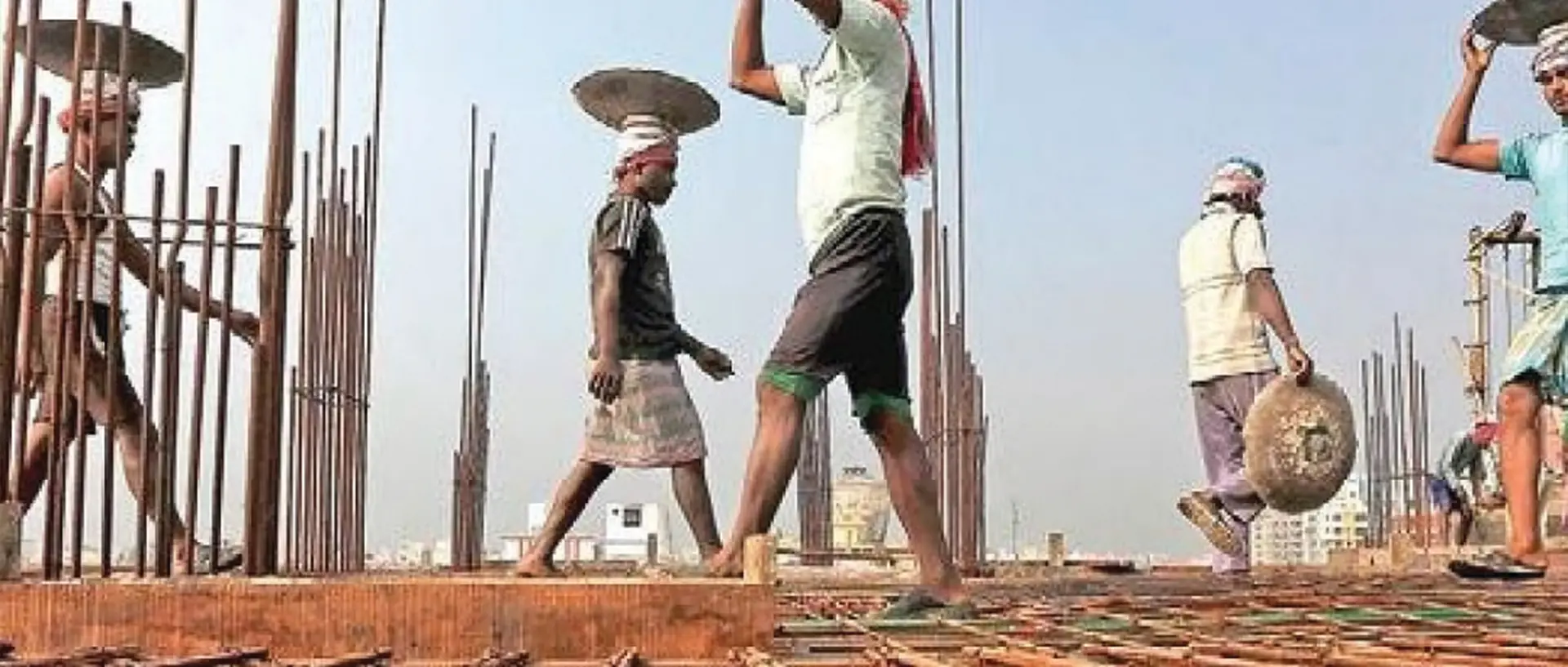
In the most sweeping workforce reform since Independence, the Central government has formally implemented all Four Consolidated Labour Codes, effective from yesterday, November 21, 2025. This landmark move rationalizes 29 complex, decades-old central labour laws into a single, unified, and modern framework, promising a new era of social security and formalized employment across the nation.
The reform is designed to meet the demands of a modern economy, balancing the needs of the industry for “Ease of Doing Business” with comprehensive worker protection.
Formalizing the Future Workforce
The new codes introduce specific provisions that radically alter the employee landscape:
- Gig and Platform Workers Included: For the first time, terms like ‘Gig work,’ ‘Platform work,’ and ‘Aggregators’ are legally defined. Under the Code on Social Security, aggregators (like Zomato and Swiggy) are now mandated to contribute 1–2% of their annual turnover (capped at 5% of the payout to workers) towards a dedicated social security fund. This extends essential benefits like health, pension, and disability cover to millions of gig workers.
- Universal Minimum Wages: The new framework establishes a statutory right to minimum wages for all workers, moving away from the previous system that only covered certain “scheduled” industries. A national Floor Wage will be set by the government, ensuring no state can fix a minimum wage below this national threshold.
- Fixed-Term and Gratuity: Fixed-Term Employees (FTEs) must now receive benefits equal to those of permanent employees, including leave and medical cover. Crucially, FTEs become eligible for gratuity after just one year of continuous service, down from the previous requirement of five years.
- Health and Safety: The codes introduce mandatory free annual health check-ups for workers above 40 years across all hazardous and non-hazardous industries. Furthermore, safety standards are unified across sectors, including mines, factories, and construction.
Boosting Women’s Participation
The reform actively promotes gender equity in the workplace:
- Night Shifts and Safety: Women are now legally permitted to work in all sectors and shifts, including night shifts and in physically demanding roles like underground mining and heavy machinery, provided they give consent and employers ensure mandatory safety, transport, and facility provisions.
- Equal Pay and Grievance: The codes mandate equal pay for equal work and require mandatory women’s representation in internal grievance redressal committees.
The implementation of these four codes, the Code on Wages, the Industrial Relations Code, the Code on Social Security, and the Occupational Safety, Health and Working Conditions Code—is viewed as a major step toward building a more transparent, protected, and productive workforce, essential for India’s push toward self-reliance.
Discover more empowering stories and insightful content like this on GRISU TIMES, your go-to destination for inspiration and knowledge.
Follow GRISU TIMES on Instagram: https://www.instagram.com/grisutimes/